
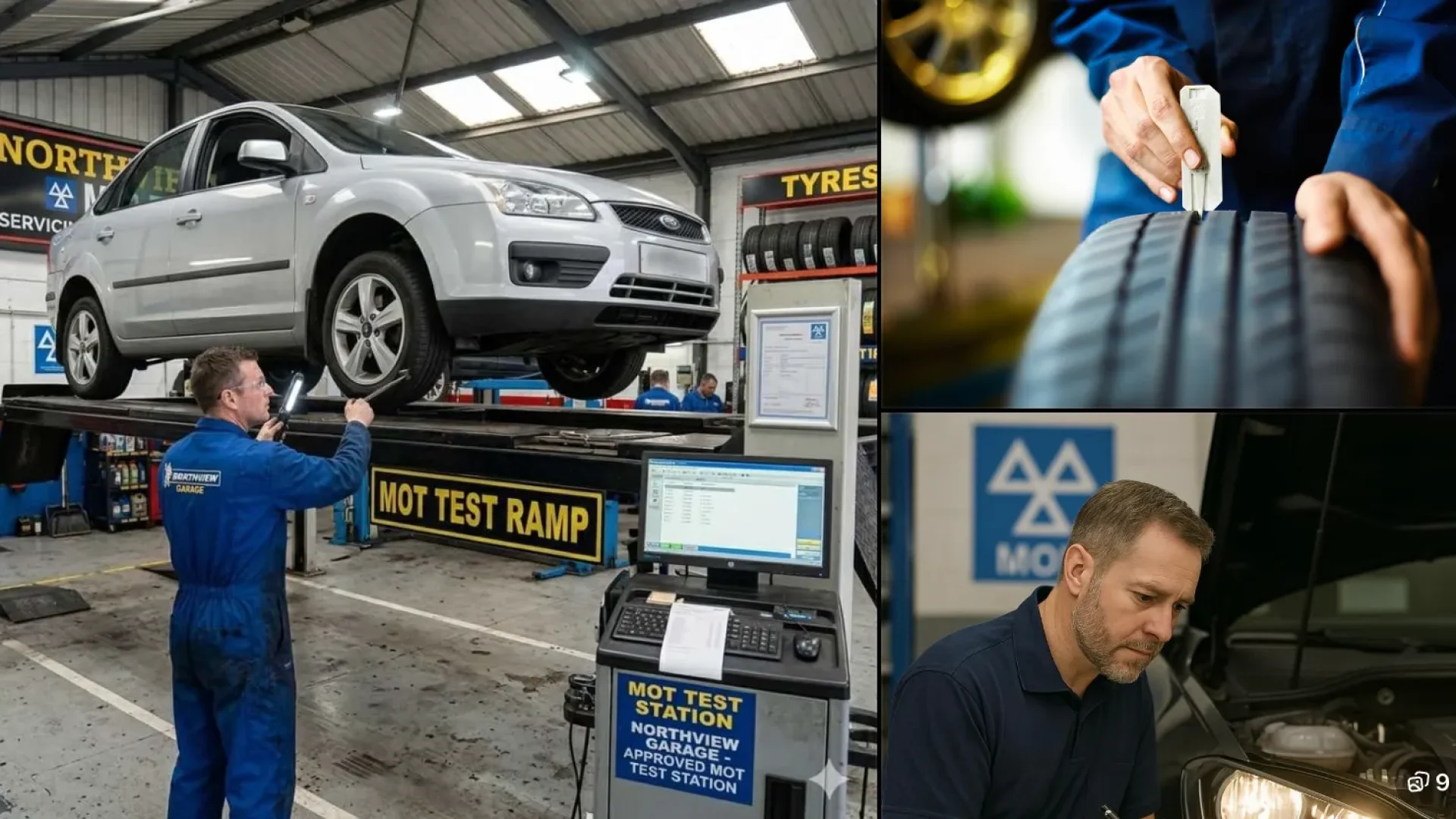
Introduction
Is your car’s MOT test coming up? Before taking your vehicle for its annual MOT, it is helpful to understand what the test involves and which parts of your car will be inspected.
An MOT test checks whether your vehicle meets the required road safety and environmental standards. From brakes and tyres to lights, seat belts and exhaust emissions, several important components are inspected during the test.
At Auto Care Repairs in Bethnal Green, London, we provide professional MOT testing to help drivers keep their vehicles safe and roadworthy. Knowing what is included in an MOT can help you identify potential problems early and prepare your vehicle before your appointment.
In this guide, we explain 10 important things checked during an MOT test and share some practical tips to help you get ready.
1. Lights and Indicators
Your car’s lighting system is one of the first things worth checking before an MOT. Properly working lights help you see the road and make your vehicle visible to other road users.
During the MOT test, the tester checks relevant lighting equipment, including:
- Headlights and main beam
- Front and rear position lights
- Brake lights
- Indicators and hazard warning lights
- Rear fog lights and number plate lights
- Headlight alignment and condition
A faulty bulb, damaged light unit or incorrectly aimed headlight can result in an MOT failure. Check that all your lights work correctly before visiting the garage.
2. Tyres and Wheels
Tyres play a vital role in braking, steering and maintaining grip on the road. Worn or damaged tyres can affect your safety, particularly in wet weather.
During the MOT inspection, the tester checks tyre condition, tread depth, suitability and security.
For most cars, the legal minimum tread depth is 1.6mm across the central three-quarters of the tyre, around its entire circumference. The tester also looks for cuts, bulges and other defects that could make a tyre unsafe.
Before your MOT: Check all four tyres for visible damage and uneven wear. If you notice a bulge, deep cut or unusually low tread, arrange a professional inspection.
3. Brakes and Handbrake
Your braking system must operate effectively to keep you and other road users safe. Even if your brakes feel normal while driving, certain problems may only become apparent during a proper inspection.
The MOT test includes checks of:
- Brake performance and efficiency
- Brake components and their condition
- Parking brake operation
- Relevant ABS warning lights
- Electronic parking brake systems, where fitted
The tester assesses whether the braking system meets the applicable standards. If you hear grinding noises, notice vibration when braking or find that the handbrake does not hold properly, have the vehicle checked before your test.
4. Steering and Suspension
Steering and suspension components help your vehicle remain stable, comfortable and controllable. Worn or damaged parts can affect handling and compromise road safety.
During the MOT, the tester examines relevant components for condition, security, excessive play and other defects.
These checks may include:
- Steering wheel and steering mechanism
- Suspension springs
- Shock absorbers
- Suspension joints and arms
- Power steering components, where fitted
If your car pulls to one side, makes knocking noises over bumps or feels unstable while turning, these symptoms should be investigated. Identifying problems early may help prevent further damage.
5. Windscreen, Wipers and Washers
Clear visibility is essential for safe driving. Your windscreen, wipers and washer system must allow you to see the road properly.
The MOT inspection considers:
- Windscreen damage in the driver’s field of vision
- Wiper blade condition and operation
- Windscreen washer operation
- Relevant areas of the driver’s view
A significant chip or crack in the wrong position can affect your MOT result. Worn wiper blades and an empty washer reservoir can also cause problems.
Pre-MOT tip: Clean your windscreen, top up the washer fluid and make sure the wipers clear the glass effectively without leaving large streaks.
6. Seat Belts, Seats and Interior Safety
The interior of your vehicle is also an important part of the MOT checklist. Seat belts and seats must meet the relevant safety requirements.
The tester checks items such as:
- Seat belt condition and security
- Seat belt fastening and operation
- Relevant airbag and restraint system warning lights
- Driver’s seat adjustment
- Seat security and seat-back locking
Damaged belts, faulty buckles or certain persistent safety-system warning lights may lead to a failure.
Before your appointment, make sure the seat belts fasten and release correctly and that there are no obvious signs of damage.
7. Exhaust System and Emissions
An MOT test assesses whether your vehicle meets the applicable exhaust emissions requirements. It also checks the exhaust system for relevant defects.
Depending on the vehicle, the inspection may include:
- Exhaust leaks
- Excessive exhaust noise
- Exhaust system security
- Required emissions-control equipment
- Exhaust emissions levels
- Relevant engine management warning lights
Excessive smoke, an exhaust leak or missing emissions-control equipment can cause problems during the test.
If you notice unusual exhaust smoke, a strong exhaust smell or a warning light on your dashboard, consider having your vehicle checked before the MOT.
8. Mirrors, Doors and Registration Plates
Your vehicle’s mirrors, doors and registration plates must meet the relevant legal requirements.
During the inspection, the tester checks:
- Required mirrors and their condition
- Door operation, hinges and catches
- Whether relevant doors open and close correctly
- Registration plate condition and security
- Number plate characters, spacing and legibility
- Other applicable bodywork and attachment requirements
A loose registration plate, damaged mirror or door that does not latch properly may need attention before the vehicle can pass.
Take a few minutes to check these visible components before bringing your car to the garage.
9. Horn, Dashboard Warning Lights and Electrical Equipment
Your car’s electrical equipment helps you operate the vehicle safely and identify potential faults.
The MOT includes checks of relevant equipment such as:
- Horn operation
- Required warning lamps and indicators
- Electrical wiring and battery condition where accessible
- Relevant ABS and electronic stability control warning lights
- Other applicable dashboard warning indicators
A horn that does not work or a relevant safety-system warning light may affect the result.
If a warning light remains illuminated, do not simply ignore it or assume that the vehicle will pass. A professional diagnostic check may help identify the underlying issue.
10. Vehicle Structure, Fuel System and Underbody
The final item brings together several important checks that are not always easy to carry out at home. The MOT tester examines accessible and relevant areas of the vehicle’s structure and underbody.
These checks can include:
- Structural corrosion or damage in specified areas
- Fuel pipes, hoses and signs of fuel leaks
- Exhaust mounting and condition
- Relevant brake and suspension components
- Wheel bearings and other applicable underbody components
- The security of certain vehicle attachments
Serious structural corrosion or a fuel leak can be a significant safety concern. If you notice fuel smells, unusual fluid leaks or visible structural damage, seek professional advice promptly.